
Leading Choices in Roof Replacement Products for Better Protection
Choose from premium roofing materials designed to provide superior defense against weather and wear.
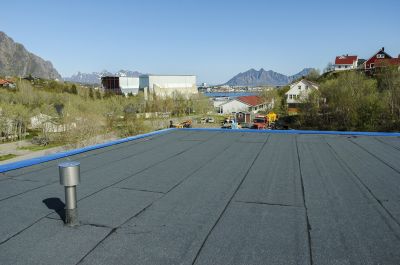 Replacing a roof is a significant home improvement project that requires careful consideration of various products and materials. The choice of roofing components can influence the durability, appearance, and overall performance of the new roof. Homeowners and contractors alike should evaluate different options to ensure they select materials that meet their specific needs and preferences. From traditional shingles to advanced membrane systems, the range of products available can accommodate diverse architectural styles and functional requirements.
Top Overall Option
High-Quality Asphalt Shingles
High-quality asphalt shingles are widely used for roof replacements due to their versatility, ease of installation, and broad range of styles and colors. They provide a reliable protective layer against the elements and can be suitable for various architectural designs. When selecting asphalt shingles, consider options that offer multiple layers for added durability and enhanced aesthetic appeal. Proper installation and regular maintenance can help maximize their lifespan, making them a popular choice for many homeowners seeking a balanced combination of performance and affordability.
Types of Products For Roof Replacements
Asphalt Shingles
A common roofing material offering a variety of styles and colors, suitable for many residential applications.
Metal Roofing Panels
Durable and long-lasting panels available in different metals, ideal for weather resistance and longevity.
Rubber Membrane Sheets
Flexible waterproof membranes often used for flat or low-slope roofs, providing seamless coverage.
Clay Tiles
Traditional and aesthetically distinctive tiles that offer durability and a classic appearance.
Concrete Tiles
Heavy-duty tiles that resemble clay but provide enhanced strength and resistance to harsh conditions.
Wood Shingles and Shakes
Natural wood materials that add rustic charm, requiring proper maintenance for longevity.
Synthetic Roofing Materials
Composite products designed to mimic natural materials with lower weight and maintenance needs.
Standing Seam Metal Panels
A sleek, modern metal roofing option with interlocking seams for enhanced weather resistance.
Built-Up Roofing (BUR) Systems
Multi-layered roofing systems often used on commercial or flat roofs for durability and waterproofing.
Polymer Modified Bitumen Membranes
Enhanced asphalt-based membranes suitable for flat or low-slope roofs with added flexibility.
Slate Roofing Tiles
Natural stone tiles providing a distinctive appearance and long-lasting performance, often used in historic or upscale projects.
Green Roof Systems
Vegetative roofing solutions that incorporate plant layers, primarily for aesthetic and insulation purposes.
Popular Choices
Widely selected for their affordability and ease of installation, suitable for many residential roofs.
Increasing in popularity due to their durability and modern appearance, suitable for various architectural styles.
Commonly used for flat roofs, offering waterproofing and flexibility for different building types.
Chosen for their aesthetic appeal and resilience, especially in warmer climates.
A durable option with a variety of styles, often favored for their longevity and strength.
Selected for rustic or traditional aesthetics, requiring appropriate maintenance.
A versatile option that mimics natural materials with easier handling and lower weight.
Modern and sleek, standing seam metal roofing is gaining popularity for its clean look and durability.
Commonly used for commercial flat roofs, valued for their multi-layer waterproofing capabilities.
Flexible and durable membranes suitable for low-slope roofs, increasingly preferred for their performance.
A premium choice for distinctive, long-lasting roofing with natural stone appeal.
Understanding the different types of materials is essential. Asphalt shingles are among the most common due to their affordability and ease of installation. Metal roofing offers longevity and resistance to harsh weather conditions, making it suitable for various climates. Rubber membrane systems are often used for flat roofs, providing a seamless and waterproof barrier. Other options include clay and concrete tiles, which add aesthetic appeal and durability, especially in regions prone to high winds or heavy rainfall. Each product type has its unique benefits and considerations, so it is important to assess factors such as lifespan, maintenance needs, and compatibility with existing structures.
Proper installation plays a critical role in the performance of roofing products. Using high-quality underlayment, proper flashing, and appropriate sealing techniques can extend the life of the roof and prevent issues such as leaks or structural damage. When selecting products, it is also advisable to consider local building codes and warranty offerings. Consulting with roofing professionals can provide valuable insights into the most suitable materials for a specific project, ensuring a reliable and long-lasting roof replacement.
Key Buying Considerations
- Compatibility with existing roof structure and architecture
- Durability and expected lifespan of the material
- Weather resistance properties suited to local climate
- Ease of installation and availability of professional contractors
- Maintenance requirements over the lifespan of the roof
- Weight of the material and its impact on the existing structure
- Aesthetic appeal and how it complements the home’s design
- Warranty options and manufacturer support
- Cost considerations including initial investment and long-term value
- Fire resistance and safety features of the roofing material
- Environmental factors such as susceptibility to moss, algae, or mold
- Compatibility with roof pitch and slope
- Availability of color options and finishes
- Impact on home insulation and energy efficiency
- Local building codes and regulations compliance
This content includes affiliate links and is intended for informational purposes only. Always conduct thorough research and consult with roofing professionals before making a purchase decision.